
UV Eye Protection: Why Sunglasses Matter Every Season of the Year



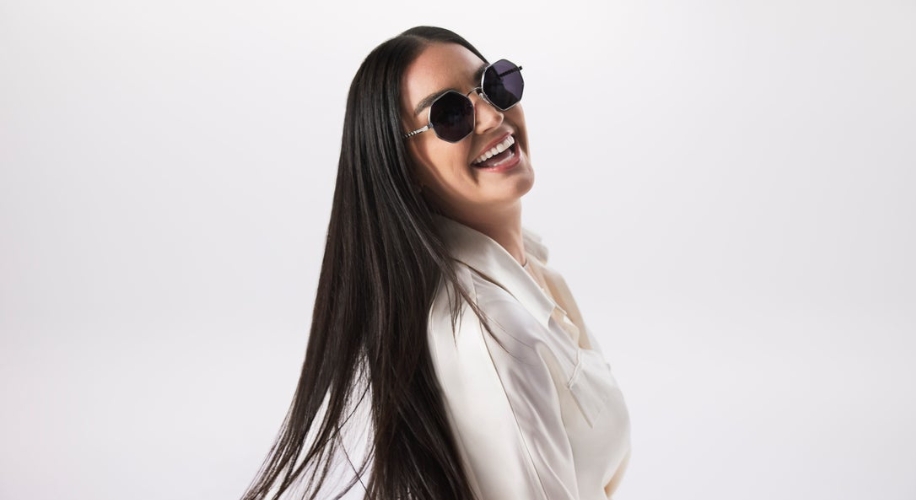
What’s Inside:
- Understanding UV Risks: Explore the omnipresent threat of UV radiation on eye health and the importance of year-round protection.
- Choosing the Right Sunglasses: Discover key features of sunglasses that provide effective UV protection to maintain optimal eye wellness.
- Zenni Optical’s UV-Protective Collection: Explore our stylish sunglasses designed to safeguard your eyes from harmful UV rays while complementing your personal style.
We use our eyes constantly throughout the day, but as the seasons change, it is easy to forget how much sun exposure can affect them. Learn why protecting your vision from UV rays is a year-round priority, and wearing the right sunglasses makes all the difference.

Shop Frame
Understanding UV Risks

Reference: Sebastian Voortman
The Unseen Threat: UV Radiation
UV radiation, an invisible force emanating from the sun, poses a constant risk to our eyes. There are three types: UVA rays, which have longer wavelengths and can penetrate clouds and glass; UVB rays, which carry more energy and are largely responsible for surface-level eye and skin damage; and UVC rays, which are mostly absorbed by the ozone layer and don’t reach the ground. It’s crucial to grasp the year-round impact of UVA and UVB exposure, even on overcast days when clouds provide a deceptive veil.
Impact on Eye Health
Long-term exposure to UV radiation is associated with several eye conditions. Cataracts, a clouding of the eye’s natural lens, are one of the best-documented risks. UV exposure has also been linked to macular degeneration, which affects the retina’s central vision, and to photokeratitis, a painful, sunburn-like reaction affecting the cornea. UV light, along with wind and dust, is also a primary driver of pinguecula, a yellowish, raised growth on the conjunctiva near the nose, and pterygium (sometimes called surfer’s eye), a fleshy tissue growth that can start as a pinguecula and grow large enough to cover part of the cornea, affecting vision. Redness, swelling, a yellow spot on the eye, dryness, itching, burning, or blurry vision can all be signs of either condition and are worth a prompt visit to an eye care professional. Wearing sunglasses, along with protective glasses or goggles in windy or dusty conditions and artificial tears for dryness, are simple, effective ways to help lower your risk, per the American Academy of Ophthalmology. Understanding these risks is the first step toward effective eye protection.
Choosing the Right Sunglasses
UV Protection: Beyond Style
Not all sunglasses are created equal when it comes to UV protection. Learn to identify sunglasses that explicitly state 100% UV protection or a UV400 label, which means the lens blocks wavelengths up to 400 nanometers, covering nearly all UVA and UVB rays. This ensures comprehensive shielding against both UVA and UVB rays, safeguarding your eyes from potential harm. One common myth worth clearing up: a darker lens is not the same as a more protective one. Tint controls how much visible light gets through, not UV exposure, so always check for an explicit UV protection label rather than judging by how dark the lenses look.
Lens Quality Matters
High-quality lenses can reduce glare and ensure clear vision. Polarized lenses are known for enhancing visual comfort and minimizing reflections. Polarization on its own doesn’t block UV rays, but polarized lenses are typically paired with UV-blocking treatment, so you get both benefits in one lens.
Frame Styles for Comprehensive Coverage
Some frame styles provide broader coverage, reducing the likelihood of UV rays reaching your eyes from the sides. Our selection includes wraparound sunglasses, a design that offers enhanced protection against UV exposure from the side.
High-Risk Situations and Extra Protection
Some settings call for extra caution. UV intensity increases with altitude, roughly 10-12% for every 1,000 meters of elevation. Snow can reflect up to 80% of UV radiation back toward your eyes. Hiking, skiing, and time on the water all raise your exposure. UV rays are also strongest between 10 am and 4 pm, so it’s worth being extra diligent about wearing sunglasses during that window. A wide-brimmed hat can complement your sunglasses by blocking roughly half of UVB rays. Seeking shade helps too, though neither replaces sunglasses on its own. UV-blocking contact lenses exist, but since they don’t cover your entire eye, they work best alongside, not instead of, sunglasses.
Children deserve particular attention here. Kids tend to spend more time outdoors than adults, and UV damage accumulates over a lifetime, so building the habit of wearing protective sunglasses early on matters just as much for them as it does for adults.
Zenni Optical’s UV-Protective Collection
Stylish Protection Year-Round
At Zenni Optical, we understand that style and eye health should go hand in hand. Explore our collection of sunglasses, where each pair is more than a fashion statement—it’s a commitment to preserving your vision.
Diverse Designs for Every Occasion
From timeless classics to trendy frames, our UV-protective sunglasses cater to diverse tastes and occasions. For an added layer of comfort,EyeQLenz™ with Zenni ID Guard™ combines full UV protection with anti-infrared technology. Elevate your style while prioritizing your eye health with sunglasses that seamlessly blend fashion and function.
Affordable Eye Safety
We believe that eye protection should be accessible to all. Our UV-protective sunglasses are not only stylish but also affordable, ensuring that eye safety is a reality for everyone.
In conclusion, prioritizing UV protection for your eyes is a year-round commitment. Whether you’re enjoying the warmth of summer or the crisp air of winter, sunglasses should be an indispensable part of your eyewear wardrobe. At Zenni Optical, we offer more than just glasses; we offer a vision of eye health that transcends seasons. Shop UV protection sunglasses and embrace a clear vision, year-round.

About the Author: Dr. Sophia Moh, OD, ABOC
Dr. Sophia Moh, OD, is an optometrist based in the Bay Area, California. She holds a doctorate from UC Berkeley School of Optometry and has worked in various eye care settings, including primary care optometry, general ophthalmology, community health clinics, and Veterans Affairs. Dr. Moh is dedicated to improving global vision health by making high-quality, affordable eyewear accessible to all. She is also a certified American Board Optician (ABO) and actively contributes to optical education through training and lectures.
FAQs
What does UV400 mean on a sunglasses label?
UV400 means the lens blocks light wavelengths up to 400 nanometers, which cover nearly all UVA and UVB rays reaching Earth’s surface. It’s one of the clearest labels to look for when shopping for sun protection.
Does a darker lens mean better UV protection?
No. Lens darkness affects how much visible light gets through, not how much UV gets blocked. A light-tinted lens with a proper UV coating can protect your eyes better than a very dark lens without one, so always check for an explicit UV protection or UV400 label.
What eye conditions are linked to UV exposure?
The most established risks include cataracts and age-related macular degeneration, along with photokeratitis, a temporary sunburn-like reaction on the cornea, and pterygium or pinguecula, tissue growths on the eye’s surface sometimes called surfer’s eye.
Are wide-brimmed hats or UV contact lenses enough on their own?
Not quite. A wide-brimmed hat can block roughly half of UVB rays and UV-blocking contacts add another layer of defense, but neither covers your whole eye the way sunglasses do, so they work best as a complement to sunglasses rather than a replacement.
When is UV exposure highest?
UV rays are strongest between 10 am and 4 pm, and exposure increases at higher altitudes and around reflective surfaces like snow or water, so extra caution and reliable UV eye protection are especially important in those conditions.
Do kids need UV protection too?
Yes. Children often spend more time outdoors than adults do, and UV damage accumulates over a lifetime, so starting sun protection habits early helps protect their vision down the road.




 Canada