
Are Carrots Good for Your Eyes? Here’s What to Know


When it comes to eye health, many people believe carrots offer major benefits, often reinforced by parents telling kids to eat their vegetables for better vision. So are carrots good for your eyes, or is this just a myth?

Photo by Chu Chup Hinh
Origins of the Carrot-Eye Health Connection
The connection between carrots and eye health traces back to World War II propaganda. British authorities claimed their pilots had exceptional night vision thanks to a carrot-rich diet, a story designed to conceal Britain’s new radar technology from Germany. The myth stuck, and it’s been repeated ever since.
The Role of Vitamin A
Carrots are rich in beta-carotene, which the body converts into vitamin A. Vitamin A supports healthy vision, especially in low light, by helping the retina produce rhodopsin. This pigment lets your eyes adjust to darkness.
Myth vs Reality
Carrots contain nutrients that support eye health, but eating them alone won’t dramatically improve your vision. They can’t correct refractive errors like nearsightedness or farsightedness, and no food will give you superhuman night vision. Eye health depends on genetics, lifestyle, and an overall balanced diet rich in a variety of fruits and vegetables, not just carrots.
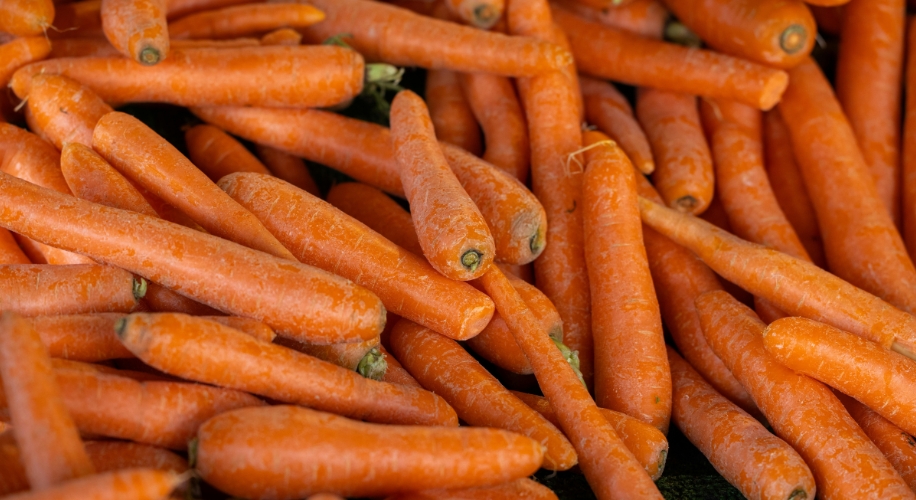
Photo by Engin Akyurt
Scientific Perspective
According to the American Academy of Ophthalmology, true vitamin A deficiency can cause night blindness and, in severe or prolonged cases, permanent vision loss. However, once your body meets its vitamin A needs, extra amounts from carrots or supplements provide no additional visual benefit.
Other Nutrients for Eye Health
Carrots aren’t the only food that supports eye health:
- Lutein and zeaxanthin (leafy greens, eggs): may reduce age-related macular degeneration risk.
- Vitamin C and E (citrus, nuts): support healthy eye blood vessels.
- Zinc and omega-3s (fish, leafy greens): help protect the retina.

Photo by Ella Olsson
So, Should You Eat More Carrots?
Carrots are nutritious and support overall health, but they aren’t a magic cure for poor vision. The real key to long-term eye health is a varied, colorful diet and regular eye check-ups with your eye care provider.

FAQs
Are carrots good for your eyes?
Yes, in moderation. Carrots contain beta-carotene, which supports normal vision, but they won’t dramatically improve eyesight on their own.
Can eating carrots improve night vision more than other foods?
No. Carrots provide vitamin A for low-light vision, but leafy greens and other produce offer similar benefits.
What happens if you eat too many carrots?
Eating large amounts of carrots can cause carotenemia, a harmless orange tint to the skin. It won’t damage your eyes or vision.

Dr. Steven Liem
Dr. Steven Liem, O.D., F.A.A.O. is an optometrist based in Pasadena, California. After obtaining his doctorate from UC Berkeley’s School of Optometry, he completed his residency in Pediatrics, Vision Therapy & Rehabilitation and became a Fellow of the American Academy of Optometry. When he isn’t busy streaming or making Youtube videos about video games, Dr. Liem aims to broaden accessibility to vision health through his involvement in optometric industry and tech.