
Best Foods for Eye Health: A Complete Guide



Maintaining good eye health is essential for overall well-being, and what you eat plays a role in protecting your vision. In this blog, we’ll explore the best foods for eye health and how you can incorporate them into your diet.
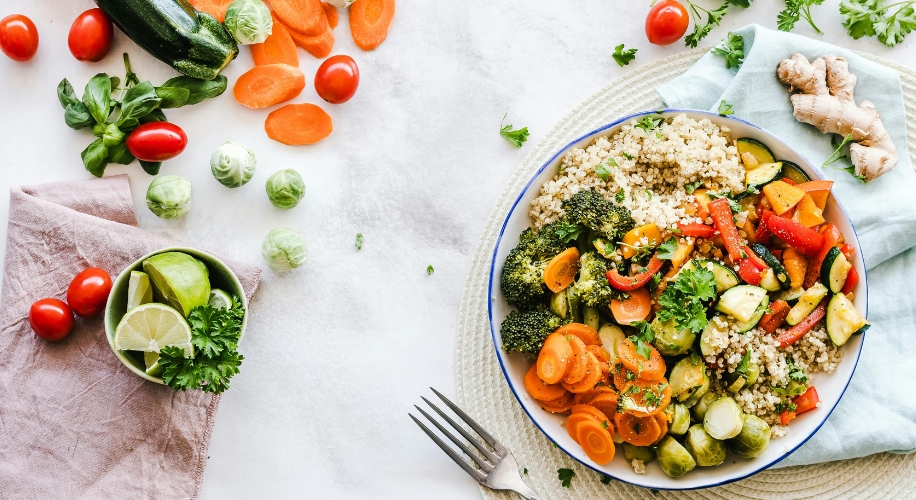
Photo by Ella Olsson
The Importance of Nutrients for Eye Health
Your eyes are complex organs that require various nutrients to function optimally. Key vitamins and minerals contribute to maintaining good vision, preventing eye diseases, and promoting overall eye health. Here are some essential nutrients to consider:
-
Omega-3 Fatty Acids
Omega-3 fatty acids are crucial for maintaining eye health. They are found in high concentrations in the retina and are believed to help prevent dry eyes and age-related macular degeneration (AMD). You can find these healthy fats in:
- Fatty fish (like salmon, mackerel, and sardines)
- Flaxseeds and chia seeds
- Walnuts
-
Vitamins A, C, and E
Vitamins A, C, and E are powerful antioxidants that protect your eyes from oxidative stress and free radical damage.
- Vitamin A maintains retina health and is found in carrots, sweet potatoes, spinach, and apricots.
- Vitamin C helps protect against cataracts and AMD, with citrus fruits, strawberries, bell peppers, and broccoli as excellent sources.
- Vitamin E reduces the risk of cataracts and age-related eye diseases, and is found in nuts, seeds, and green leafy vegetables.
- A and E are fat-soluble, so your body absorbs them best paired with a source of dietary fat, like olive oil, avocado, or nuts.
-
Zinc
Zinc is another essential mineral that plays a crucial role in maintaining eye health. It helps transport vitamin A from the liver to the retina, where it is used to produce melanin, a protective pigment in the eyes. Foods rich in zinc include:
- Oysters
- Beef and poultry
- Beans and nuts
-
Lutein and Zeaxanthin
Lutein and zeaxanthin are carotenoids concentrated in the macula, the part of the retina responsible for sharp central vision, where they help filter blue light. These nutrients are associated with a reduced risk of AMD and cataracts.
- Dark leafy greens (like kale and spinach)
- Peas and corn
- Eggs
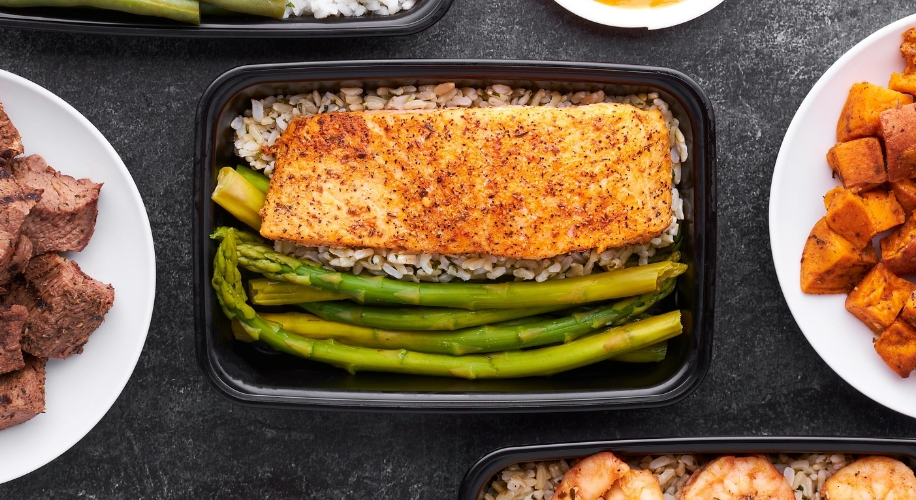
Photo by Justin Doherty
Think Pattern, Not Just Single Nutrients
Focusing on one nutrient at a time is a good start, but a whole-foods, Mediterranean-style eating pattern does more for your eyes than any single ingredient. This approach favors vegetables, whole grains, fish, and healthy fats like olive oil over refined grains and processed foods, and research links it to a lower risk of both AMD and cataracts. Whole grains also help manage blood sugar, which matters for reducing diabetic retinopathy risk, and the healthy fats do double duty by helping your body absorb the fat-soluble vitamins already on your plate.
Building a Vision-Friendly Diet
Creating a balanced diet that supports eye health doesn’t have to be complicated. Here are some tips to help you get started:
1. Incorporate Colorful Fruits and Vegetables
Aim to fill your plate with a variety of colorful fruits and vegetables. Each color offers different nutrients that benefit your eyes. Think carrots for vitamin A, citrus fruits for vitamin C, and dark leafy greens for lutein and zeaxanthin.
2. Choose Healthy Fats
Opt for healthy fats that provide omega-3 fatty acids. Include fatty fish in your meals a couple of times a week, and snack on walnuts or add flaxseed to smoothies for an extra boost.
3. Stay Hydrated
Don’t forget the importance of hydration. Drinking plenty of water helps maintain moisture in your eyes, reducing the risk of dryness and irritation.
4. Limit Processed Foods
Try to limit your intake of processed foods high in sugar and unhealthy fats. These can contribute to inflammation and increase the risk of chronic diseases that affect your vision.
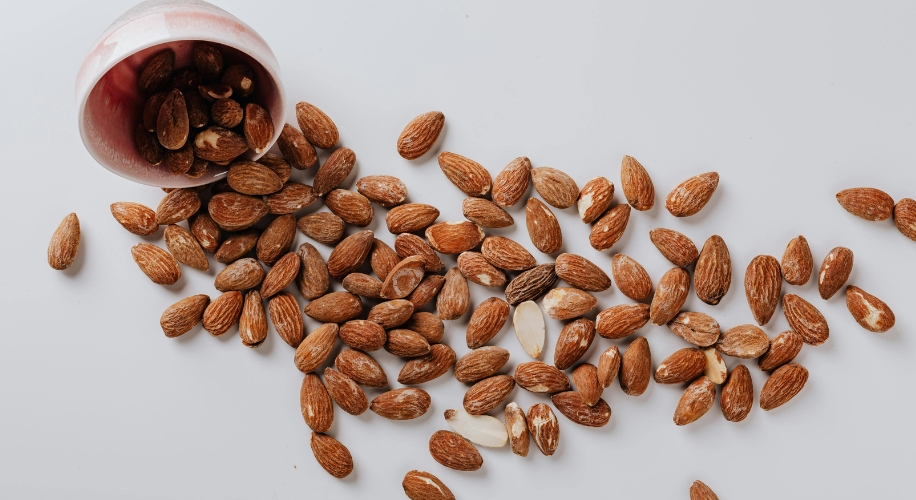
Photo by Karolina Kaboompics
Diet Is Only Part of the Picture
Nutrition is one piece of a larger picture when it comes to slowing age-related eye disease. Regular exercise improves blood flow to the eyes, and quitting smoking removes one of the biggest modifiable risk factors for AMD. Wearing sunglasses that block UV rays and filter blue light adds another layer of defense, and routine eye exams catch changes early, when they’re easiest to manage. Diet works best alongside these habits rather than in place of them.
Conclusion
Your diet plays a crucial role in maintaining good eye health. By incorporating nutrient-rich foods into your meals, and pairing diet with the lifestyle habits above, you can protect your vision and potentially reduce the risk of serious eye conditions. The right glasses are part of that picture too. Zenni’s Blokz lenses filter blue light the same way lutein and zeaxanthin do, and Zenni’s sunglasses block 100% of UVA and UVB rays. Start today by making small changes to your diet, shop Zenni’s glasses for the rest of the picture, and your eyes will thank you.

FAQs
What are the best foods for eye health?
Fatty fish, dark leafy greens, citrus fruits, nuts, and eggs top the list, since they supply omega-3s, vitamins A, C, and E, zinc, and the carotenoids lutein and zeaxanthin.
What is the role of lutein and zeaxanthin?
Lutein and zeaxanthin are carotenoids that concentrate in the macula, where they filter blue light and are linked to a lower risk of AMD and cataracts.
Does a Mediterranean-style diet help eye health?
A whole-foods, Mediterranean-style pattern, rich in vegetables, whole grains, fish, and healthy fats, is linked to a lower risk of AMD and cataracts compared to focusing on single nutrients alone.
Can diet alone prevent age-related eye disease?
Diet is one part of the picture, best paired with exercise, not smoking, UV protection and blue light defense, and routine eye exams.
Why do fat-soluble vitamins need to be eaten with fat?
Vitamins A and E are fat-soluble, so your body absorbs them best paired with a source of dietary fat, like olive oil, avocado, or nuts.
What lifestyle habits support eye health beyond diet?
Regular exercise, not smoking, UV-blocking and blue-light-filtering sunglasses, and routine eye exams all support long-term eye health alongside diet.

Dr. Steven Liem
Dr. Steven Liem, O.D., F.A.A.O. is an optometrist based in Pasadena, California. After obtaining his doctorate from UC Berkeley’s School of Optometry, he completed his residency in Pediatrics, Vision Therapy & Rehabilitation and became a Fellow of the American Academy of Optometry. When he isn’t busy streaming or making Youtube videos about video games, Dr. Liem aims to broaden accessibility to vision health through his involvement in optometric industry and tech.




 Canada