
What Are Anti-Fatigue Lenses? A Guide to Relieving Digital Eye Strain



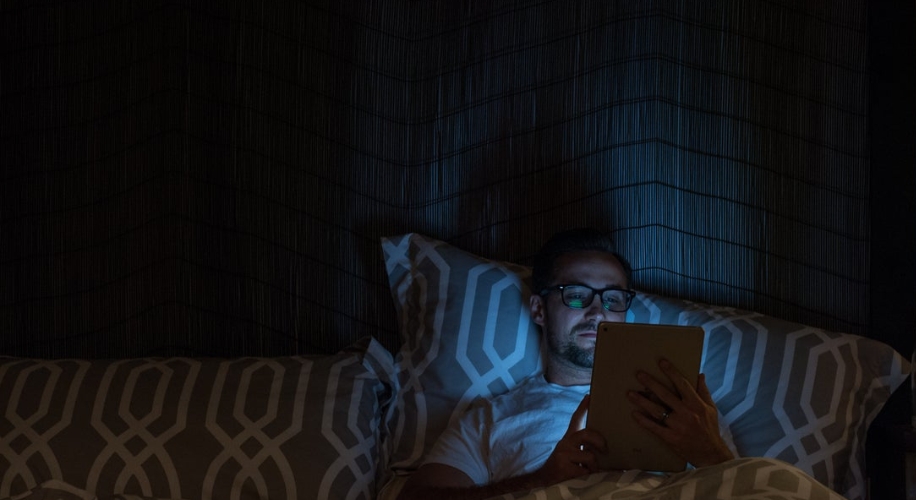
In the digital age, our eyes bear the brunt of prolonged screen time, leading to discomfort and fatigue. This guide explains what anti-fatigue lenses are, why screens cause eye strain, who benefits most, and whether they’re worth adding to your next pair of glasses.
What Are Anti-Fatigue Lenses?
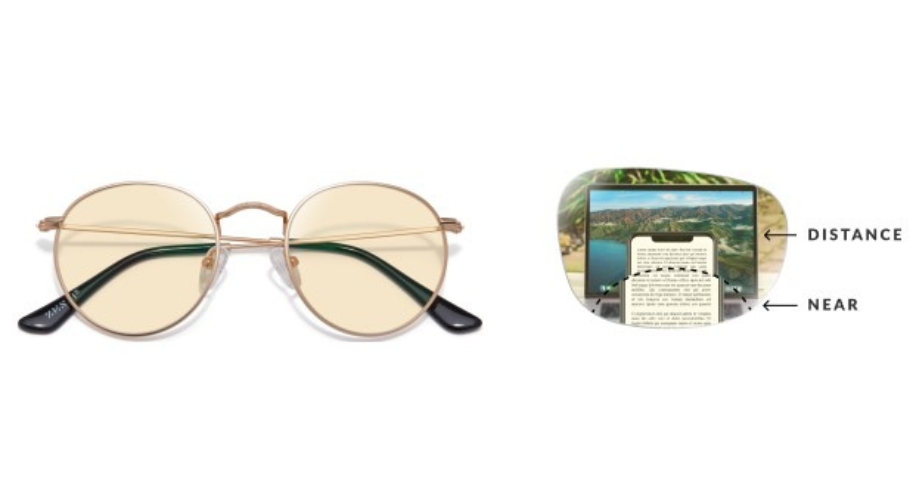
Anti-fatigue lenses, often abbreviated as AF lenses, are a single-vision lens with a slight boost, or magnification, built into the bottom portion. Unlike standard single-vision lenses, they provide full-strength distance vision up top and a gentle increase in focusing power toward the bottom, easing the effort your eyes make on close work. This subtle design helps relax the visual muscles rather than correcting an existing prescription error.
Why Screens Cause Eye Strain
Focusing on anything up close relies on your eye’s ciliary muscle, which contracts to reshape the lens inside your eye. Hours of near work, whether it’s a laptop, phone, or book, keep that muscle engaged without a break. Over time, this accommodative stress can cause eye fatigue and tightness, along with headaches, blurred vision, and difficulty refocusing at a distance. Regular breaks, like looking at something 20 feet away for 20 seconds every 20 minutes, help the ciliary muscle reset, and anti-fatigue lenses are designed to reduce how hard that muscle has to work in the first place.
How They Differ From Progressive Lenses
Unlike progressive lenses, anti-fatigue lenses are a single-vision option with a gentle boost of reading power at the bottom, rather than a full range of corrective powers. This design helps people reduce eye strain, especially during digital device use, without the longer adaptation period full progressives can require. For those hesitant about the complexities of progressive lenses, this style offers a smoother entry point into multifocal-style eyewear.
Who Benefits Most
This lens style benefits a fairly specific group. It’s especially beneficial for computer users dealing with digital eye strain symptoms like headaches, blurred vision, and watery eyes. It’s also a strong fit for pre-presbyopes, typically adults between 18 and 45, whose near vision is just beginning to tire but who still have enough natural focusing ability that they don’t yet need a full progressive lens. If you spend your day focusing on small print or a screen at a fixed distance, the slight magnification can meaningfully reduce that strain.

Comparing Your Lens Options
Anti-fatigue lenses aren’t the only lens style built for screen use, and it helps to know how they compare. Reading glasses are typically for presbyopia, an age-related condition that makes it harder to focus on nearby objects, rather than the milder fatigue this style addresses. Photochromic lenses, like Zenni’s EyeQLenz™ with Zenni ID Guard™, automatically darken outdoors and add UV and blue light protection, but they don’t include the reading boost that defines an anti-fatigue design. Other eyewear brands sell similar boosted, single-vision lens designs under their own names, including Essilor’s Eyezen, Zeiss Digital lenses, and Hoya’s Sync line, so if you’ve seen this lens type described differently elsewhere, it’s likely the same basic concept.
Are Anti-Fatigue Lenses Worth It?
If you spend a lot of time on close work, whether reading or staring at a digital device, anti-fatigue lenses are generally worth considering. This kind of prolonged near work contributes significantly to digital eye strain, sometimes called Computer Vision Syndrome, and quality, well-fitted lenses can make a real difference in daily comfort. They tend to deliver the most value for a few groups in particular:
- Professionals: People who spend long hours in front of computers or other digital devices, such as office workers, programmers, and designers.
- Students: With increasing reliance on digital devices for studying and research, students of all ages can experience real relief.
- Gamers and Tech Enthusiasts: Extended gaming or browsing sessions can benefit from the reduced strain these lenses offer.
As with any lens choice, quality matters, so it’s worth discussing your specific symptoms and screen habits with your eye doctor before deciding.
Zenni’s Blokz® Plus Anti-Fatigue
Among anti-fatigue lenses, Zenni Optical’s Blokz® Plus Anti-Fatigue stands out by combining a reading boost with blue light protection. This advanced option incorporates the same slight magnification at the lens’s bottom described above, plus a yellow tint that filters 40% of blue light, the same level of protection as Zenni’s standard Blokz® Core lens. The optional Anti-Fatigue add-on helps those who have difficulty falling asleep after screen use, combat eye fatigue during reading, or spend endless hours staring at devices. Pair it with an anti-glare coating to further cut reflections and glare from your screen.

Eyeglasses for eye strain combine far and near vision in one pair, helping you work more efficiently and read more easily. Explore Blokz® Plus Anti-Fatigue and give your eyes a break from the strain of a digital day.

About the Author: Frankie Marina
With over 15 years of experience in the optical industry, Frankie Marina is a seasoned optician who has held various roles, from General Manager overseeing optical labs and collaborating with eye doctors to her meticulous position as Final Inspector ensuring the precision of each ordered pair of glasses. Throughout her career, she has refined her expertise. Frankie’s skills include troubleshooting vision errors and curating frames for high-profile VIP clients, effortlessly blending functionality with style. Today, as a dedicated optician with Zenni Optical, Frankie is committed to helping people see better and live better by sharing her wealth of knowledge and discover eyewear solutions that not only promote clear vision, but also instill confidence.
FAQs
What exactly are anti-fatigue lenses?
They’re single-vision lenses with a slight magnification boost at the bottom, designed to ease eye strain from hours of close work like reading or screen time.
Do anti-fatigue lenses really help?
For most people doing extensive close work or screen time, yes. They’re a low-commitment way to reduce digital eye strain symptoms without the adjustment period of a full progressive lens.
Who should consider anti-fatigue lenses?
Pre-presbyopes, typically adults 18 to 45, plus professionals, students, gamers, and anyone spending long hours on screens or reading small print.
How are anti-fatigue lenses different from progressives?
Progressives offer a full range of corrective powers for multiple distances. This style is single-vision with just a gentle reading boost, making it a simpler option for people who don’t need a progressive yet.
Do anti-fatigue lenses come with blue light protection?
At Zenni, yes. Blokz® Plus Anti-Fatigue pairs the reading boost with a yellow tint that filters 40% of blue light.




 Canada