
What Your Eyes Say About Your Health: Signs Worth Knowing About



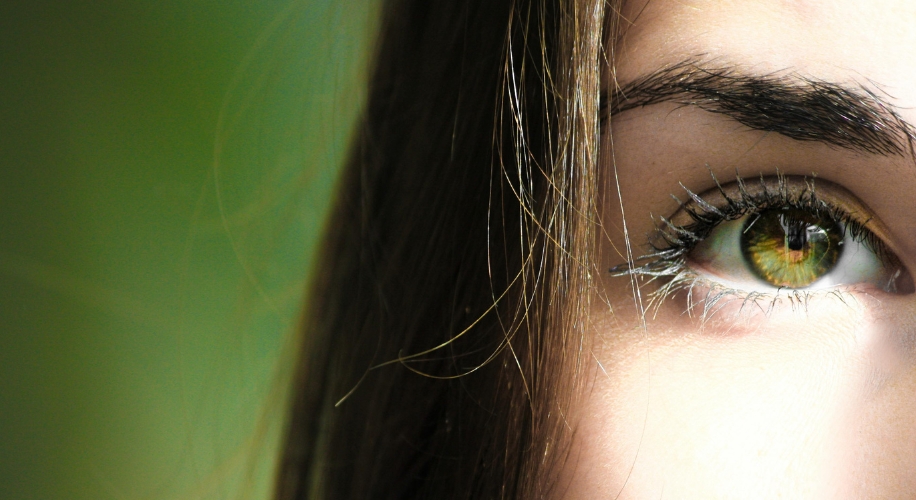
Photo by Jan Krnc
While our eyes are often regarded as windows to our soul, they also indicate our overall health. So what do your eyes say about your health? Beyond vision, our eyes can show signs and symptoms that hint at underlying health issues, from common nuisances like eye twitching to signals of diabetes, thyroid disease, and liver problems. Here’s what several eye changes can reveal about your well-being.
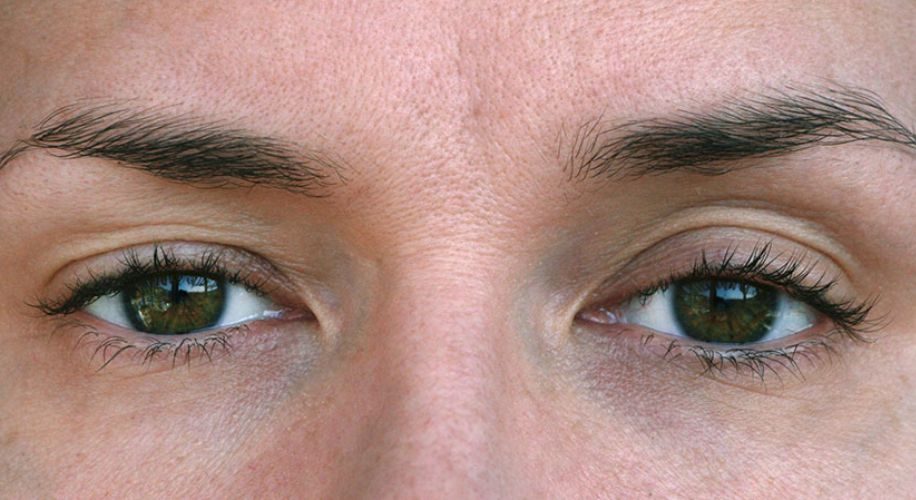
Photo from American Optometric Society
Drooping Eyelids: A Sign of Fatigue or Something More?
Drooping eyelids, or ptosis, can be a natural result of fatigue or lack of sleep. However, persistent or sudden-onset drooping could indicate underlying health issues such as nerve damage, muscle weakness, or neurological conditions like myasthenia gravis. If you notice persistent drooping, especially alongside other symptoms, consult with an eye care professional for an evaluation.

Photo by NONTANUN CHAIPRAKON
Eye Twitching: Stress, Fatigue, or Nutritional Deficiencies?
Eye twitches, or myokymia, are often harmless and can result from stress, fatigue, or too much caffeine. However, persistent or severe eye twitching could signal nutritional deficiencies (like magnesium or potassium), dry eyes, or neurological conditions. Monitoring frequency and duration, and addressing underlying causes like stress or diet, can help alleviate symptoms.
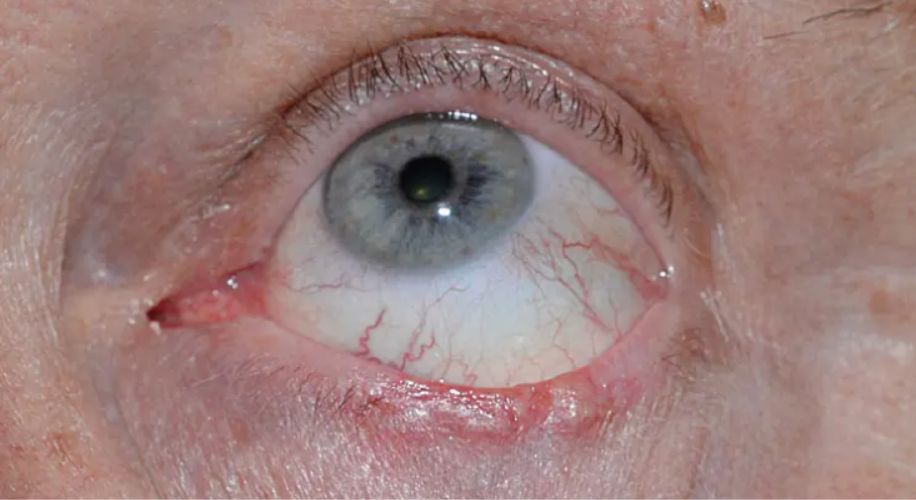
Photo by American Academy of Ophthalmology
Retinal Signs of Diabetes and High Blood Pressure
The retina’s blood vessels can reveal a surprising amount about your cardiovascular health. High blood sugar levels can damage these vessels, causing diabetic retinopathy, while high blood pressure can lead to hypertensive retinopathy. Both conditions can affect vision if left unmanaged, which is one reason a routine eye exam can sometimes catch diabetes or hypertension before other symptoms appear.
Neurological Clues Behind the Optic Nerve
The optic nerve can also offer neurological clues. Conditions like multiple sclerosis (MS) can cause optic neuritis, an inflammation of the optic nerve that may bring blurred vision or eye pain. In contrast, optic nerve swelling can sometimes point to increased pressure from a growth elsewhere in the brain. Uneven pupil size can likewise be a normal variation or, less often, a sign worth a professional look. Early detection through an eye exam can lead to a timelier diagnosis.
Sclera and Cornea Changes: Jaundice and Cholesterol Rings
The white of the eye (sclera) and the clear cornea can also flag health changes. Yellowing of the eyes, or jaundice, often points to liver problems, since it happens when the liver can’t properly process bilirubin. A gray or white ring around the cornea, called arcus, can be a normal part of aging but may signal high cholesterol in people under 45. Yellowish fatty deposits around the eyelids, called xanthelasma, can be another visible marker of elevated cholesterol.
Autoimmune and Thyroid Indicators: Bulging Eyes
Bulging eyes, also called proptosis, happen when the eyes protrude more than usual from their sockets. While this can be a normal variation for some people, it can also point to thyroid disease, including Graves’ disease, or, in rare cases, a growth behind the eye. Noticing this change is a good reason to check in with a healthcare provider.
Signs of Skin Cancer: Protecting the Delicate Skin Around Your Eyes
The skin around your eyes is particularly delicate and the thinnest on the body, making it especially vulnerable to UV damage. Skin cancer, including basal cell carcinoma, squamous cell carcinoma, and melanoma, can develop in this area. Look for unusual growths, changes in skin color, or persistent sores, and protect your eyes from UV exposure with quality sunglasses.
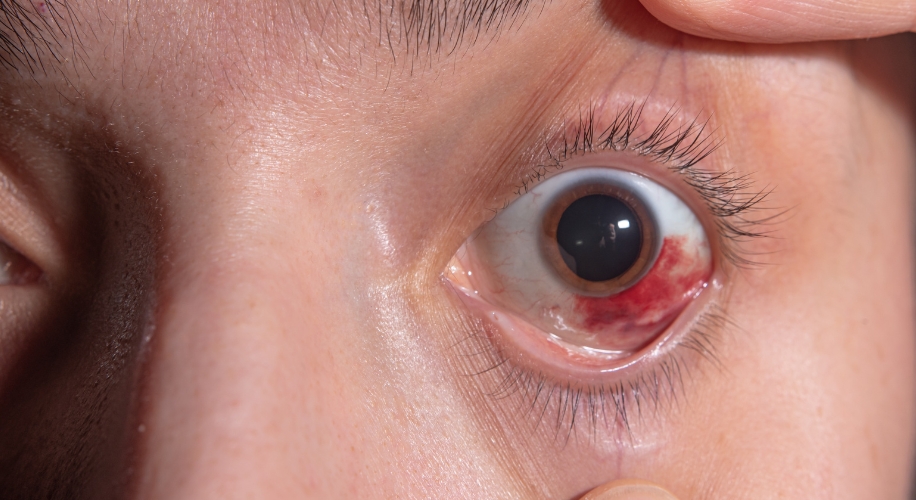
Photo by Alexandr Tsalko
Subconjunctival Hemorrhage: When a Red Spot Isn’t Just Irritation
A subconjunctival hemorrhage appears as a bright red patch on the white of the eye, caused by a tiny broken blood vessel beneath the conjunctiva. It’s often harmless, resulting from minor causes like sneezing or coughing, but it can also be associated with high blood pressure, blood-clotting disorders, or trauma. It usually resolves on its own, though frequent occurrences should prompt a visit to a healthcare professional.
Lifestyle Habits That Support Eye and Overall Health
A few everyday habits go a long way for both your eyes and the rest of your body:
- Protect against UV exposure: Sunglasses help guard against cataracts and skin cancer around the eyes.
- Prioritize sleep: Poor sleep is linked to eye fatigue, dryness, and blurred vision.
- Stay hydrated: Dehydration can contribute to eye discomfort and dryness.
- Eat a nutrient-rich diet: Vitamins A, C, E, and omega-3s support long-term eye health.
- Manage digital eye strain: Follow the 20-20-20 rule and consider blue-light-filtering lenses for extended screen time.
Your eyes provide valuable insights into your overall health, and age and genetics can influence your risk for several of the conditions above, which is part of why regular eye exams matter at any age. By noticing changes in your vision, eyelids, and the skin around your eyes, you can take proactive steps to maintain your well-being. Regular eye exams, healthy lifestyle choices, and the right eyewear help keep your eyes healthy and your vision clear. At Zenni, we prioritize comprehensive eye health alongside vision, empowering you to make informed decisions for your well-being.

FAQs
What your eyes say about your health can include which conditions?
Eye changes can point to diabetes, high blood pressure, thyroid disease, high cholesterol, liver problems, and certain neurological conditions, in addition to more common causes like fatigue or stress.
Can an eye exam catch diabetes or high blood pressure?
Yes. Both conditions can damage the small blood vessels in the retina, and an eye doctor can sometimes spot these changes before other symptoms appear.
What does a ring around the cornea mean?
A gray or white ring called arcus is often just a normal sign of aging, but in people under 45 it can point to high cholesterol worth discussing with a doctor.
Are bulging eyes always a health concern?
Not always. Some people naturally have more prominent eyes, but a new or worsening change can be linked to thyroid conditions like Graves’ disease.
When should I see a doctor about an eye symptom?
If a symptom is persistent, sudden, severe, or paired with other changes like vision loss or pain, it’s best to get it checked rather than wait it out.
Do regular eye exams really support overall health?
Yes. Because so many systemic conditions show up in the eyes first, routine exams double as an early screening tool alongside your regular checkups.

Dr. Mori Goodyear
Dr. Mori has over 10 years of experience in eye care. She earned her undergraduate degree from UCLA and her optometry degree from the New England College of Optometry. She has worked in a variety of eye care settings and is passionate about helping her patients find a great pair of affordable glasses




 Canada