
Eyewear for Kids: A Complete Guide to Style and Eye Health



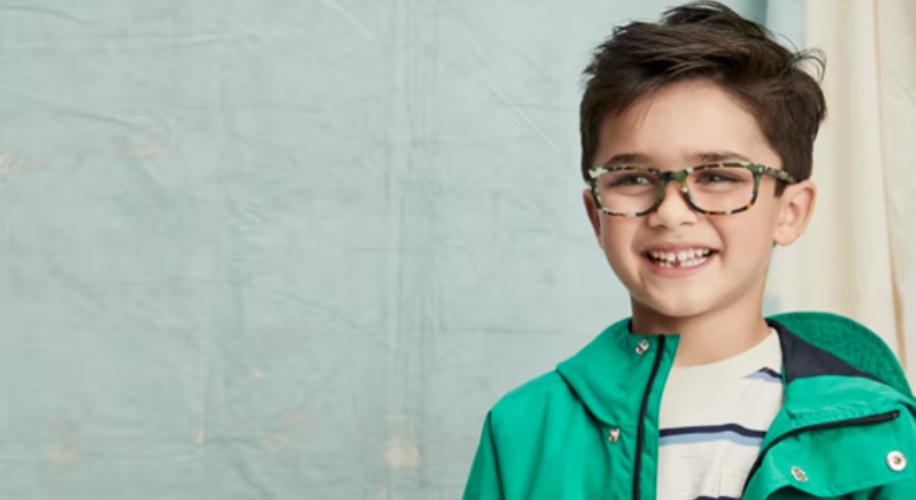
When it comes to children’s eyewear, fashion and fun go hand in hand with functionality. Eyeglasses are an essential part of many kids’ lives, and it’s important that they feel confident and comfortable in their frames. When your child needs glasses, finding the right eyewear for kids means more than picking a cute frame. The best choices combine comfort, durability, and the right lens protection so your child can see clearly and confidently, whether they’re at recess, in the classroom, or staring down a tablet screen.
Common Childhood Vision Conditions
Most kids who need glasses have one of four common refractive errors. Myopia (nearsightedness) makes distant objects look blurry and is the most frequently diagnosed childhood vision condition. Hyperopia (farsightedness) makes close-up objects, like a book or worksheet, harder to focus on. Astigmatism causes blurred or distorted vision at any distance due to the curvature of the cornea. Amblyopia, commonly called lazy eye, develops when one eye doesn’t develop normal vision, and it’s often corrected with the right glasses prescription, sometimes paired with patching. All four are typically caught during a comprehensive eye exam and are easily corrected with properly fitted eyewear.
Style Meets Comfort
Children lead active, adventurous lives, so their glasses need to be durable and secure, while also showcasing their individual style. When browsing for kids glasses, look for frames that offer a snug fit and materials that can withstand the rigors of playtime. Here are some key features to consider:
- Flexible Materials: Frames made from acetate or silicone flex instead of snapping under the stress of active play, and materials like TR90, a lightweight, resilient thermoplastic, add extra durability for kids who are hard on their glasses.
- Proper Fit: Glasses should fit comfortably on the nose and ears without pinching or slipping. Look for frames with adjustable nose pads, spring hinges, and the right temple length.
- Safety: For sports and outdoor activities, consider impact-resistant lenses and frames to protect your child’s eyes.
- Fun Designs: Let your child express themselves with colorful patterns, shapes, and themed frames, from superheroes to princesses they adore.
It’s essential to involve your child in the selection process to ensure they’re excited about their new accessory. Encouraging them to choose frames that reflect their personality can make wearing glasses a positive experience.
Safe Lens Materials and Protection
Not all lenses are created equal, and material matters most for active kids:
- Polycarbonate lenses are thinner, lighter, and highly impact-resistant, making them a common recommendation for children’s eyewear.
- Trivex lenses are another impact-resistant option, prized for being lightweight and about 15-20% thinner than a standard lens.
- Scratch-resistant and anti-reflective coatings help lenses stand up to daily handling and reduce glare from screens and overhead lighting.
- UV protection matters outdoors, too. All Zenni kids’ eyeglasses and kids’ sunglasses come with 100% UVA/UVB protection, and kids playing organized sports can benefit from certified sport goggles built to handle impact on the field or court.
Eye Protection and Lens Technology
Blue Light Filtering
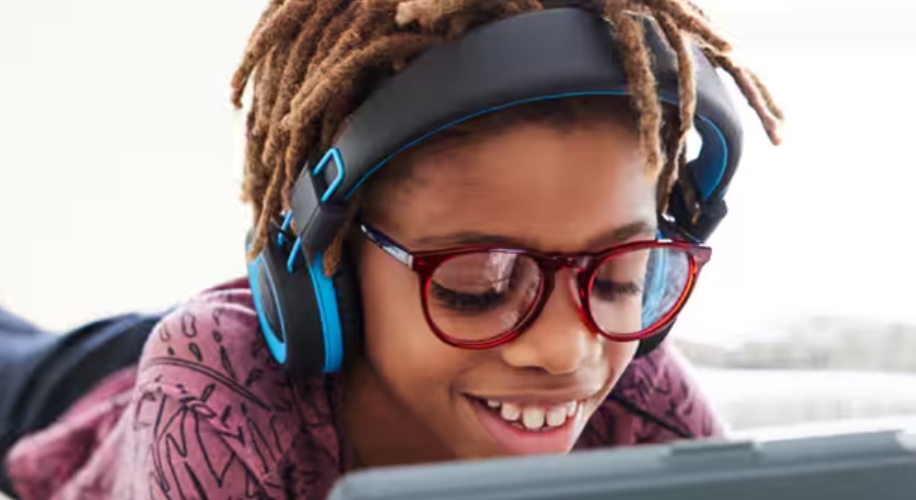
With children spending more time on digital devices for both learning and play, shielding their eyes from blue light has become increasingly important. There is some anecdotal evidence that blue light exposure can contribute to discomfort after prolonged screen use. Our blue light glasses are specially designed to filter out blue light, ensuring your child’s eyes have the right defense during screen time.
Transition Lenses
For kids on the go, Transitions® lenses offer the convenience of eyeglasses and sunglasses in one. These adaptive lenses automatically darken in the presence of UV light, providing comfort and protection outdoors, and revert to clear lenses indoors. They’re a great all-in-one solution for busy kids and parents alike!
The Importance of Regular Eye Exams
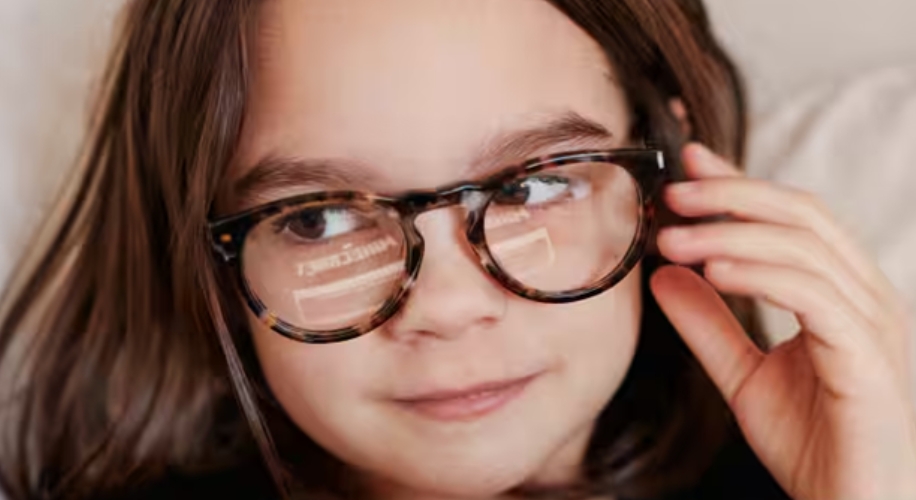
Routine eye exams are one of the best tools for catching vision problems early, before they affect a child’s schoolwork or confidence. The American Optometric Association recommends a child’s first comprehensive exam between 6 and 12 months old, followed by additional exams at age 3 to 5 and again before first grade, then annually after that. An updated prescription ensures that their vision correction is accurate, which is vital for their learning and development. When it’s time for new glasses, taking your child’s current prescription into account is just as important as choosing a stylish frame. Our wide selection of affordable and fashionable frames makes it easy to find glasses that tick all the boxes.
- Start by having their eyes checked annually or as recommended by your eye care professional.
- Once you have an updated prescription, explore our collection of frames designed specifically for kids.
- Make sure to check the fit and comfort of the glasses, making any necessary adjustments.
At Zenni Optical, we understand that glasses are more than just a vision aid; they’re a form of self-expression, especially for kids. Our goal is to provide a variety of fun and fashionable eyewear options that kids will be thrilled to wear, ensuring they look and feel great. From the classroom to the playground, your child’s glasses should be as unique and dynamic as they are.
The right glasses do more than help kids see the board or read a book. It supports healthy vision for the long run and gives kids one more reason to feel confident in how they look and how they see the world. Ready to find frames your child will love? Explore kids eyewear at Zenni.

FAQs
What is the best eyewear for kids?
The best options combine flexible, durable frame materials like acetate, silicone, or TR90 with impact-resistant lenses such as polycarbonate or Trivex. Look for scratch-resistant coatings, 100% UVA/UVB protection, and a comfortable fit with adjustable nose pads and spring hinges.
What lens material is safest for children’s glasses?
Polycarbonate and Trivex lenses are generally considered the safest options for kids because they’re significantly more impact-resistant than standard plastic lenses, while also being thinner and lighter.
How do I get my child to wear their glasses?
Letting your child pick their own frame color, shape, or theme makes a big difference. Kids are more likely to wear glasses consistently when they feel like the style reflects their own personality rather than something chosen for them.
How often should kids get their eyes checked?
Most children should have their eyes checked annually. Regular exams help catch common conditions like myopia, hyperopia, astigmatism, and amblyopia early, when they’re easiest to correct.
What’s the difference between polycarbonate and Trivex lenses for kids?
Both are impact-resistant and far more durable than standard plastic lenses, but Trivex is slightly thinner and lighter, while polycarbonate is the more common, budget-friendly choice. Either is a solid pick for active kids.

Dr. Steven Liem
Dr. Steven Liem, O.D., F.A.A.O. is an optometrist based in Pasadena, California. After obtaining his doctorate from UC Berkeley’s School of Optometry, he completed his residency in Pediatrics, Vision Therapy & Rehabilitation and became a Fellow of the American Academy of Optometry. When he isn’t busy streaming or making Youtube videos about video games, Dr. Liem aims to broaden accessibility to vision health through his involvement in optometric industry and tech.




 Canada