
Sunglasses Buying Guide: Find Your Style at Zenni




Welcome to Zenni Optical, the intersection of style and vision clarity! Renowned for affordable, high-quality glasses, Zenni extends its commitment to sunglasses, seamlessly blending fashion and function. This sunglasses buying guide walks you through everything from UV protection standards to lens materials, tints, and frame fit, so you can shop with confidence. Join us on a journey through shades that not only shield your eyes but also elevate your style, courtesy of Zenni Sunglasses.
Why Are Sunglasses Important?
Sunglasses blend style with essential eye protection, guarding against UV radiation to reduce the risk of conditions like cataracts. Polarized lenses enhance clarity and safety, acting as a barrier against environmental irritants for added eye comfort and infection prevention. Prioritizing functionality, sunglasses allow self-expression, elevating appearance while emphasizing the significance of eye health.
Understanding UV Protection Standards
Not all sunglasses offer the same level of protection, so it helps to know what the labels mean. UVA rays penetrate deep into the eye and are linked to long-term damage like cataracts, while UVB rays are more likely to cause surface irritation and sunburn-like effects on the cornea. Look for sunglasses that block 100% of both UVA and UVB rays, sometimes labeled UV400, meaning the lenses block light up to 400 nanometers, covering the full range of harmful UV rays. Every pair of Zenni sunglasses provides 100% UV protection standard, so you never have to choose between style and safety.
Lens Materials
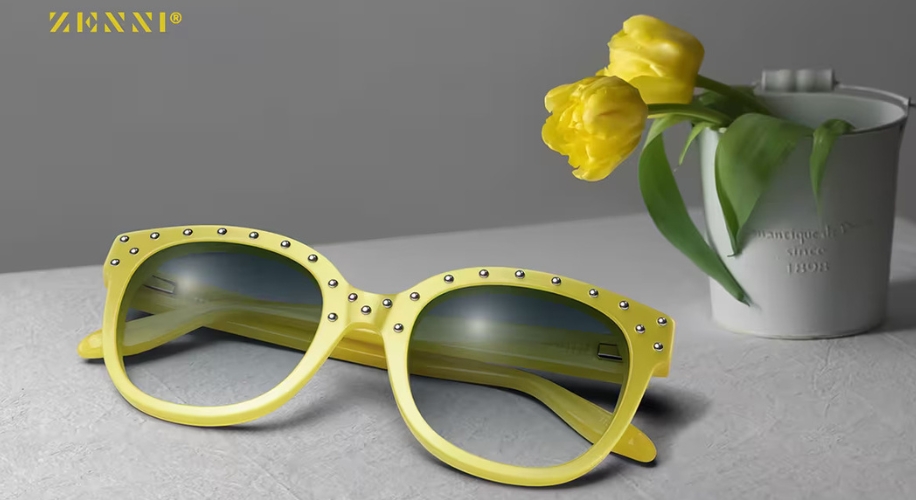
The material behind your lenses affects clarity, weight, and durability. Polycarbonate lenses are impact-resistant and lightweight, making them a popular choice for sunglasses worn during sports or everyday activities. CR-39 plastic lenses are known for their optical clarity and scratch resistance, while trivex lenses offer a similar level of impact resistance to polycarbonate with slightly sharper optics. Glass lenses provide the clearest optics of all materials but are heavier and more prone to shattering. Zenni offers a range of lens materials so you can prioritize the qualities that matter most to you, whether that’s clarity, weight, or durability.
Types of Sunglasses
Let’s dive into some of the most iconic types of sunglasses, focusing on their distinct shapes and how they could fit into different fashions and lifestyles.
- Aviator Sunglasses:Originally designed for pilots, aviator sunglasses are probably best known for their sleek, thin metal frames and teardrop-shaped lenses. Their design complements virtually any face shape and is ideal for casual and formal ensembles.
- Browline Sunglasses: Browline sunglasses, popularized in the 1950s and 1960s, feature a bold upper frame and thinner lower frame, blending retro charm with modern sophistication, ideal for both formal and casual styles.
- Round Sunglasses: Round sunglasses, epitomizing timeless elegance and suitable for softening angular face shapes, offer diverse styles from subtly curved to perfectly circular in our collection
- Cat Eye Sunglasses: Cat-eye sunglasses, embodying feminine flair, range from subtle modern takes to bold, vintage-inspired frames in our collection, adding a touch of glamor to any look.
- Geometric Sunglasses: With their striking shapes and bold outlines, geometric sunglasses are a great way to make a statement while staying protected.
- Oversized Sunglasses: For a dramatic look with extra coverage, oversized frames offer more sun protection along with an element of glamour.
- Wrap-Around Sunglasses: These frames curve around your face for protection from all angles, making them ideal for outdoor activities and sports.
Lens Tints and Color Functions
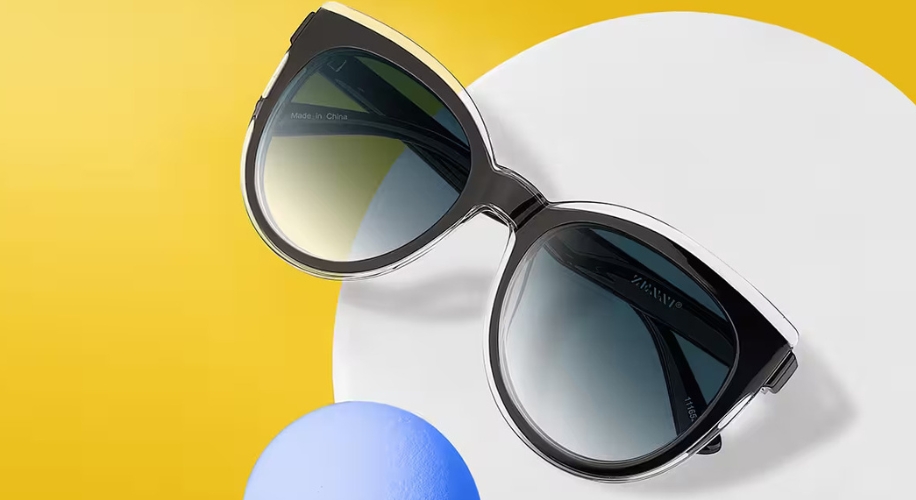
The color of your lens tint isn’t just about style. It also affects how you see in different conditions. Gray tints reduce brightness without distorting colors, making them a versatile, all-purpose choice. Brown and amber tints enhance contrast and depth perception, which is especially useful on overcast days or for activities like driving and fishing. Yellow tints boost contrast in low light, making them popular for overcast or foggy conditions. Mirrored lenses have a reflective coating that cuts down on glare and adds a bold aesthetic, while gradient lenses are tinted darker at the top and lighter at the bottom, ideal for driving since they shield your eyes from overhead sun while keeping your dashboard visible.
Polarized Lenses: Benefits and Limitations
Polarized lenses reduce glare from reflective surfaces like water, glass, snow, and pavement, which sharpens clarity and boosts color perception. They’re especially useful for driving, water sports, and any activity near bright, reflective surfaces. That said, polarized lenses have a few tradeoffs worth knowing. They can make it harder to read LCD screens, such as some car dashboards, ATM screens, or ski goggle displays, since polarization can interact with certain digital displays. They may also slightly reduce visibility in low-light conditions. For most everyday and outdoor use, though, the benefits of reduced glare and improved comfort make polarized lenses a worthwhile upgrade.
Photochromic and Adaptive Lens Technology
Photochromic lenses darken automatically when exposed to UV light and gradually return to clear indoors, giving you one pair of glasses that adapts to changing light. Zenni’s EyeQLenz technology takes this further, filtering not only UV rays but also infrared (IR) and high-energy visible (HEV) light for more comprehensive protection. Because a larger frame offers more surface area coverage, choosing a bigger silhouette with EyeQLenz can mean even better protection from harmful sun exposure, while still functioning as a stylish pair of sunglasses in bright conditions.
Frame Materials and Fit
Frame material affects both comfort and durability. Metal frames, including stainless steel, are lightweight and durable, often used in aviator and browline styles. Plastic and acetate frames offer more flexibility in color and shape, making them popular for bold, trendy looks, while TR90 plastic is especially lightweight and flexible for all-day wear. Nylon frames are a common choice for sport and performance sunglasses because they resist bending and breaking under impact. For an eco-conscious option, Zenni’s ReMakes collection uses certified recycled post-consumer plastic without sacrificing style.
Fit matters just as much as material. A well-fitted frame should sit comfortably on your nose bridge without pinching or sliding, and the temples should rest gently on your ears without pressing into your head. If you’re shopping online, Zenni’s Virtual Try-On tool lets you see how different frames and sizes look and fit on your face before you buy.
Tips For Picking The Right Pair
Choosing the right types of sunglasses is crucial not only for UV protection and comfort but also for enhancing your overall style. The perfect pair of sunglasses should:
- Complement your face shape
- Suit your lifestyle
- Reflect your personal style
- Have 100% UV protection

Whether you have a round, square, oval, or heart-shaped face, there’s a style of sunglasses designed to highlight your best features. For guidance on identifying your face shape and selecting frames that suit you best, determine your face shape.
Caring for Your Sunglasses
A little maintenance goes a long way toward extending the life of your sunglasses. Store them in a protective case when you’re not wearing them to prevent scratches, and clean the lenses often with a microfiber cloth and a gentle lens cleaner to keep them crystal clear. Avoid leaving your sunglasses in hot places, like a car dashboard, since heat and pressure can warp the frames over time.
Find the Perfect Pair At Zenni
Find the perfect pair of custom sunglasses that protect your eyes and complement your unique style. Whether you’re searching for classic aviators, trendy geometric frames, or functional wrap-around sunglasses, you can choose the exact specifications you need. Browse Zenni’s full sunglasses collection to find a pair that’s as unique as you are.

About the Author: Dr. Alyssa Buchanan
Dr. Alyssa Buchanan is an optometrist based in Lubbock, Texas. She received her doctorate from Western University of Health Sciences in Pomona, California, and has practiced in various settings including Fort Cavazos where she provided eye care for deploying soldiers. Dr. Buchanan has since received her Master’s degree in Healthcare Administration and continues to strive to provide top-notch eyecare and make a meaningful impact in the eyecare industry.
FAQs
What does UV400 mean on sunglasses?
UV400 means the lenses block light up to 400 nanometers in wavelength, which covers the full spectrum of harmful UVA and UVB rays. Zenni sunglasses provide 100% UV protection standard.
Are polarized lenses worth it?
Yes, for most people. Polarized lenses reduce glare from water, roads, and snow and improve color clarity, though they can make some digital screens harder to read.
What’s the difference between polycarbonate and CR-39 lenses?
Polycarbonate lenses are lighter and more impact-resistant, making them a good fit for sports and active lifestyles, while CR-39 lenses offer excellent optical clarity and scratch resistance.
Do photochromic sunglasses actually work?
Yes. Photochromic lenses darken in response to UV light and return to clear indoors. Zenni’s EyeQLenz lenses go a step further, also filtering infrared and high-energy visible light.
How do I know if sunglasses fit correctly?
A properly fitting frame rests comfortably on your nose bridge without pinching or sliding, and the temples should sit gently on your ears without pressure points.




 Canada