
Low Bridge Glasses: Key Features, Fit Signs, and Adjustment Tips




Understanding eyewear and the options available can feel overwhelming. One term you may have come across on your glasses journey is low-bridge glasses. At Zenni, we call this fit Universal Fit Glasses. In this guide, we will break down what the fit means, the signs that you might need it, and how to find and adjust the right pair for your face.
What Is Low Bridge Fit?
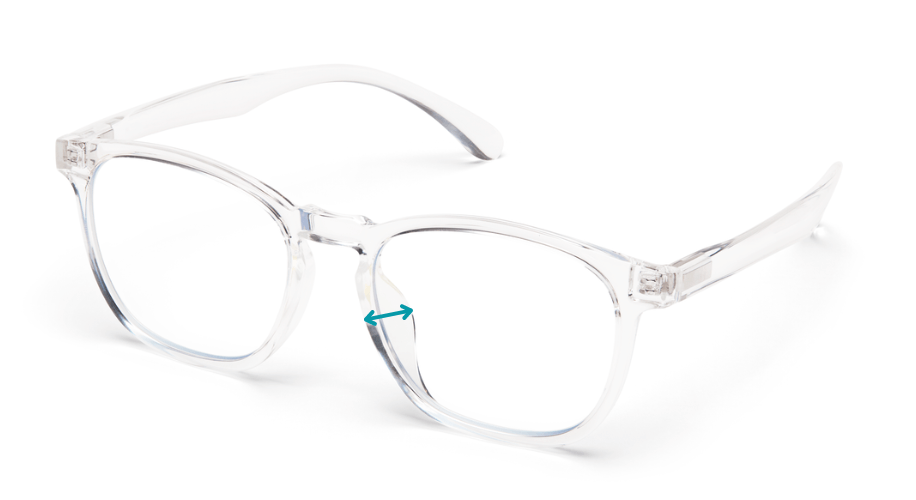
The bridge of a pair of glasses is the area that rests on your nose. It is critical to the fit and comfort of your glasses. If your glasses keep slipping down your nose, the bridge may not be the right shape for you. This is where Universal Fit Glasses come in. They feature a lower bridge design, which means they sit higher on your face and rest more evenly across your nose.
This design caters to people with a lower nose bridge and high cheekbones, common features among Asian and African ethnicities. Whatever your background, if your glasses share these fit struggles, this style is worth a look. You may also see it marketed as Universal Bridge Fit, Alternative Fit, or Asian Fit, since brands use different names for the same underlying design.
Signs You May Need This Fit
Find your nose bridge by looking at your side profile and noting where your nose meets your face between your eyes. You can also run a finger from the tip of your nose upward and feel where the contour flattens out or changes direction.
Signs you may have a low nose bridge include:
- Sliding glasses: Your frames tend to slide down your nose throughout the day.
- Cheek contact: The bottom of your glasses touches your cheeks when you smile or talk.
- Eyelash smudging: Your eyelashes brush against your lenses, sometimes leaving oil smears behind.
- Pressure marks: You notice indentations or soreness where the bridge or pads rest.
If any of these sound familiar, a low bridge or Universal Fit frame is worth exploring.
Key Features of Low Nose Bridge Glasses
These glasses are designed with particular features to ensure comfort and functionality:
- Extended nose pads: Larger nose pads distribute weight across the sides of the nose and vault the frame away from your face for more clearance.
- Flatter frame front: A flatter front helps the frame sit more securely and comfortably against your face.
- Reduced pantoscopic tilt: Pantoscopic tilt is the angle between your lenses and your horizontal visual axis. A reduced tilt adds clearance between the bottom of the lenses and your cheeks.
- Curved temples: Temples that curve outward accommodate wider face widths without pinching.
Getting the Right Fit: Measurement and Alignment
Beyond the frame’s design, fit also comes down to a few measurements. Bridge width, the distance across the top of the nose, tends to run wider on Universal Fit frames to prevent slipping. Vertex distance, the space between the back of your lens and your eye, shifts based on how the bridge and nose pads position the frame, and a bridge too wide for your nose is a common cause of an increased vertex distance. Also measure pupillary distance, the space between your pupils, accurately so the optical center of each lens lines up with your visual axis. A poor bridge fit can throw this off, leading to eye strain or subtly blurred vision even with a correct prescription.
Once you’ve chosen a frame, a few adjustments fine-tune the fit. Metal frames typically have customizable nose pads you can bring closer together if your glasses slide, or spread apart if they feel tight. Acetate frames rely more on their built-in bridge shape, though a professional can gently heat and mold them for a custom fit. Temples should also extend straight back to your ears without pressing into the sides of your head.
Who Should Consider This Fit

Anyone who has dealt with glasses constantly slipping down their nose or pressing into their cheeks should explore this fit. It is especially suited to individuals with low or wide nose bridges, high cheekbones, or close-set eyes. One Zenni customer shared her experience finding a fit that finally stayed put after adding blue light filtering lenses to a lightweight metal frame, a common combination for anyone who splits their day between screens and errands.
Frame shape and adjustable nose pads both help. A few Zenni styles built with this fit in mind:
- Browline glasses: A retro silhouette with a wide frame front that works for everyday wear or sunglasses.
- Square metal glasses: A minimalist stainless steel frame with adjustable nose pads.
- Round glasses: A lightweight, flexible frame with adjustable nose pads for everyday comfort.
- Aviator glasses: A break-resistant titanium frame with adjustable pads and soft temple tips.
Alternative Option: Glasses With Nose Pads

Another option for a low nose bridge is a frame with adjustable nose pads, which offer customizable support to tailor the fit to your unique facial structure. This flexibility helps your glasses stay securely in place while distributing weight evenly across your nose for extended wear.
Choosing between a Universal Fit frame and one with adjustable nose pads depends on your facial features and personal preference. Both can solve the same slipping and pressure problems in slightly different ways.
Understanding your unique features and how they impact your glasses fit can significantly improve your eyewear experience. At Zenni Optical, we believe everyone should have access to comfortable, high-quality eyewear. Explore low nose bridge glasses and find a fit that finally stays put.

FAQs
What are low bridge glasses?
Called Universal Fit Glasses at Zenni, these frames have a lower bridge, extended nose pads, and a flatter front so they sit securely on faces with a lower nose bridge or high cheekbones.
How do I know if I need this fit?
Common signs include glasses that slide down, press into your cheeks, leave pressure marks, or brush against your eyelashes and smudge your lenses.
Is Universal Fit the same as Asian Fit?
Yes. Depending on the brand, this design may be called Universal Fit, Universal Bridge Fit, Alternative Fit, or Asian Fit. They all describe the same lower-bridge, extended nose-pad design.
Can metal frames be adjusted for a better fit?
Most metal frames have adjustable nose pads you can move closer together or spread apart. Acetate frames rely more on their built-in shape, though a professional can heat and mold them for a custom fit.
Does bridge fit affect my vision, not just comfort?
Yes. A poor bridge fit can shift the optical center of your lenses away from your visual axis, which can cause eye strain or subtly blurred vision even with an accurate prescription.




 Canada