
The Ultimate Guide to Titanium Frames and Why They’re Worth It




When picking out new glasses, the material is just as important as the shape, style, and lens type. Frames can be made out of many different materials, each of which give a unique look to the wearer. The most common categories are plastic, metal, and mixed material.
Titanium frames are an incredible option if you are looking for something that is both lightweight and durable. Unlike other metals and plastic, it has more bendable properties, so titanium eyewear is less inclined to lose its shape over time and can be easily adjusted by a professional. They’re also hypoallergenic and resistant to corrosion. Read on to learn about the many benefits of titanium.
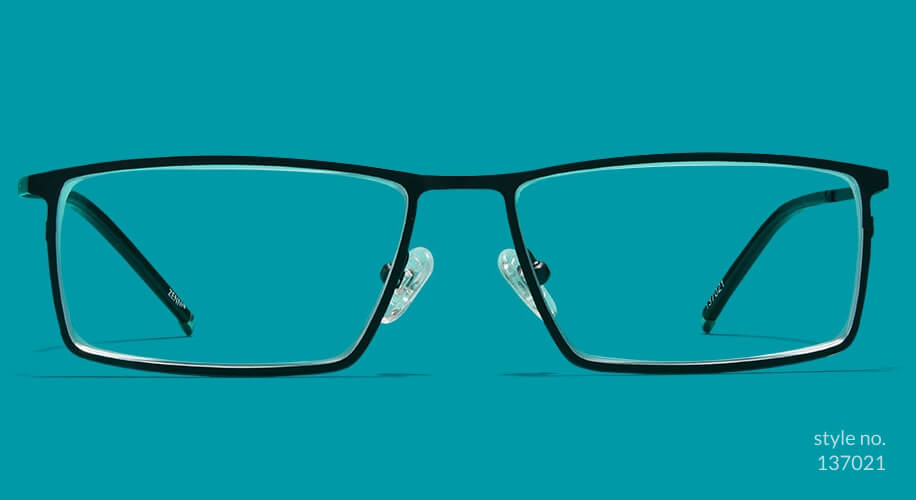
Type of Titanium Frames
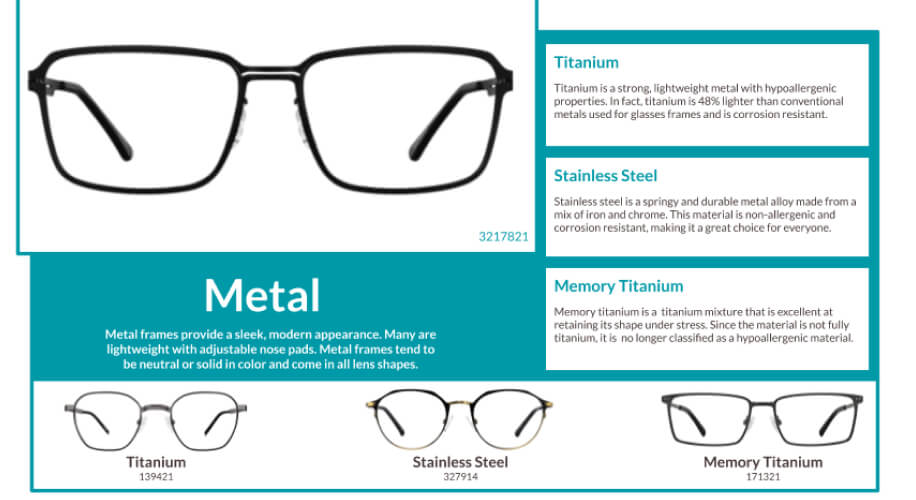
There are two types of titanium glasses frames: pure and alloy. Pure titanium is about 99% pure, while titanium alloy, also called memory titanium or bendable titanium (sometimes Beta-Titanium), is a mix of about 75% pure titanium and 25% other metals for added flex. Titanium alloy frames are slightly heavier than pure titanium frames, but both are high-quality materials and well-liked for their comfort.
Memory titanium’s bendable property lets it return to its original shape, a great option for anyone who wants a snug yet lightweight fit. In fact, titanium eyewear is so flexible it can bend without breaking and spring back into place.
Lightweight and Flexible
Due to the superior strength of titanium, frames can be made thinner, which makes them very lightweight. That strength-to-weight ratio is why titanium eyewear runs about 40 percent lighter than standard steel, a difference you’ll notice if other glasses weigh heavy on your nose and ears. This makes them a great option for people who find other frames to weigh heavy on their nose and ears.
People also love how flexible titanium is compared to plastic or other metals. It also resists corrosion from sweat, rain, and humid climates, holding up well through workouts or unpredictable weather.
In addition to being durable and flexible, here are a few other benefits of titanium frames:
- They’re hypoallergenic and can be worn by people with sensitive skin. This same biocompatibility is why titanium is also used in medical implants.
- Color options are more limited than acetate, since titanium takes anodized or plated finishes rather than dye, typically in classic tones like silver, gunmetal, and gold.
- Titanium is nickel-free, making it a great choice for people with nickel allergies.
Start shopping Zenni’s selection of titanium frames for men, women, and kids today! Shop titanium glasses.
FAQs
Why is titanium used for both eyeglasses and bicycles?
Eyewear and bicycles are the two biggest consumer markets for titanium, thanks to the same properties: an excellent strength-to-weight ratio, corrosion resistance, and long-term durability without added bulk.
Is titanium more expensive than other frame materials?
Generally yes, since it costs more to source and machine than acetate or steel, which is why premium designer titanium eyewear can run several hundred dollars. Zenni prices its titanium collection to keep that durability accessible.
How should I clean and care for titanium eyewear?
Use diluted mild soap and a soft cloth, avoiding bleach or other harsh chemicals that can damage the finish. Store your glasses in a case when not in use to prevent scratches.
Can I adjust titanium eyewear myself?
It’s best not to. Alloy titanium is a memory metal that resists reshaping, and repairs sometimes call for specialized tools like laser welding, so a professional optician should handle adjustments.
Is Beta-Titanium the same as memory titanium?
Close, but not quite. Both are flexible titanium alloys, but Beta-Titanium refers to the specific alloy blend, while memory titanium describes its bend-back-into-shape behavior. Pure titanium, by contrast, is about 99% titanium with less flex.




 Canada