
Where You’re Being Scanned Without Knowing It



Have you ever smiled at a security camera in a store—then forgotten it was there moments later?
Today, facial scanning and digital tracking are more common than most people realize. From stadiums and airports to retail stores and even short-term rentals, scanning technologies are being used to verify identities, improve convenience, and, in some cases, monitor behavior.
Understanding where these scans happen—and how to recognize them—can help you make informed choices about your privacy and the tools you use to manage it, which may include your Zenni glasses.
Stadiums, Arenas, and Public Venues
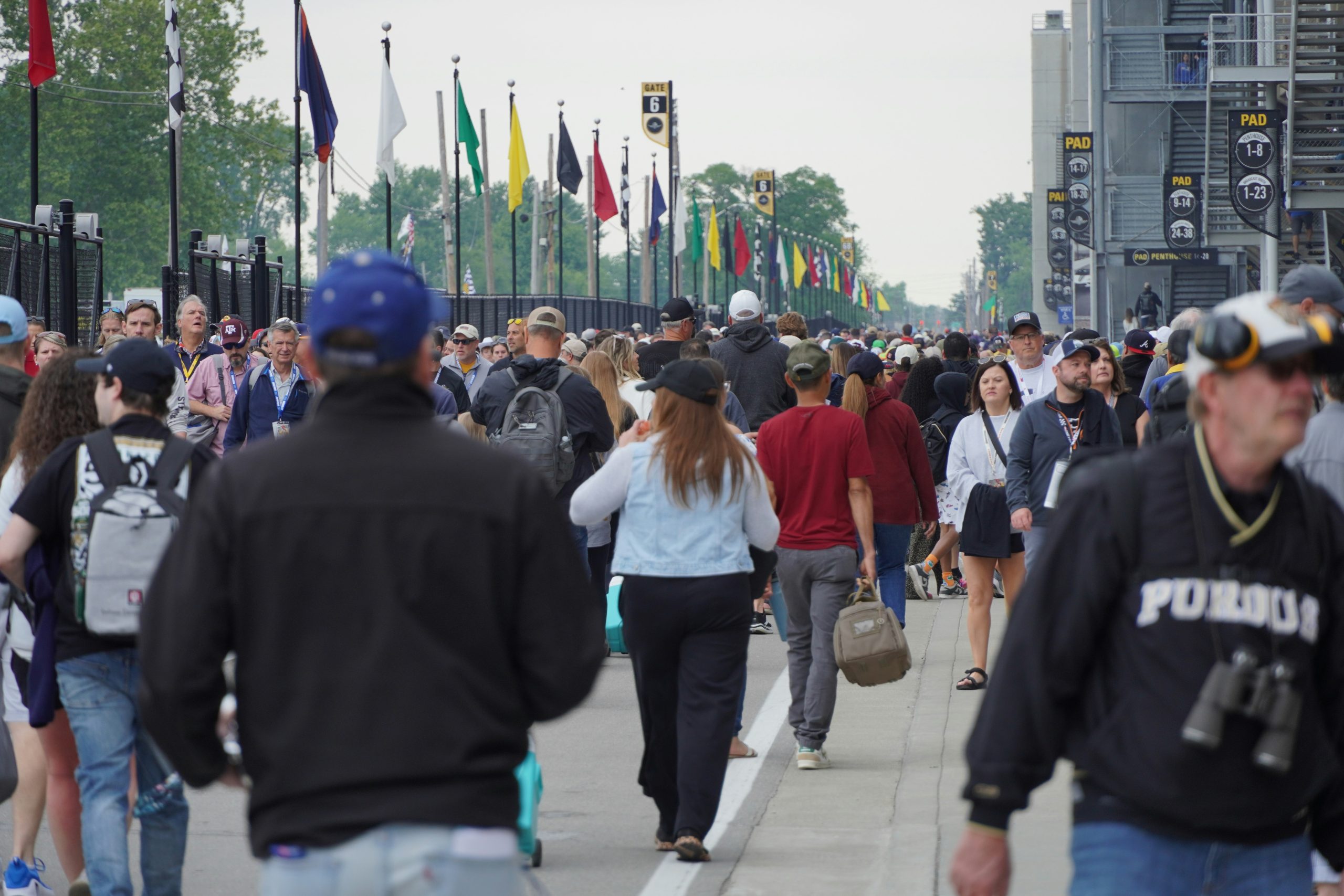
If you’ve attended a concert or game recently, there’s a good chance your face was scanned at entry. Event venues are increasingly using facial recognition to replace tickets, streamline check-ins, and identify restricted individuals.
While organizers highlight convenience and safety benefits, privacy advocates have raised concerns about limited notice and how the data is stored. Some venues have used this technology to deny entry based on personal disputes or employment affiliations, leading to growing calls for transparency.
Transportation hubs are following suit. Many U.S. airports use face scanning at boarding gates and TSA checkpoints. Although participation is technically optional, surveys show that many travelers aren’t aware they can decline. Train and bus terminals have also begun testing similar systems, turning everyday travel into another opportunity for biometric data collection.
Retail, Workplaces, and City Streets
Retailers are quietly adopting facial recognition to reduce theft and personalize shopping experiences. Cameras may analyze facial expressions or how long shoppers linger near displays to gauge interest. Some workplaces use similar systems for access control and attendance monitoring.
In public spaces, cameras equipped with infrared (IR) illumination can capture faces day and night, sometimes feeding images into predictive software. Privacy researchers warn that large-scale face databases, built from social media photos or public images, can amplify bias and misidentification, disproportionately affecting certain communities.

Homes and Hospitality
Surveillance isn’t limited to public spaces. Many smart doorbells and Wi-Fi-enabled home cameras can capture and share footage more widely than intended. In 2023, the Federal Trade Commission alleged that inadequate safeguards allowed hackers to access thousands of private Ring videos—some even from bedrooms or bathrooms.
Short-term rentals can pose similar risks. A survey cited by Reader’s Digest found that about 1 in 10 Airbnb guests had discovered hidden cameras in their accommodations. Tiny, inexpensive cameras can be disguised in everyday objects like smoke detectors, clocks, or light bulbs.
How to protect yourself: Before unpacking, scan the room with a flashlight to spot small reflective lenses, look for unfamiliar devices, and read listing reviews carefully for mentions of surveillance.
Online and Invisible Tracking
Not all scanning involves visible cameras. Websites, mobile apps, and even Wi-Fi beacons quietly collect behavioral and location data. Cookies, device fingerprints, and Bluetooth trackers can map your movements through stores or neighborhoods and feed that data into advertising systems.
Reducing your exposure means being selective with app permissions, avoiding public Wi-Fi for sensitive activities, and using privacy-focused browsers or search tools.
Protecting Yourself
Here are a few practical steps you can take to limit unwanted surveillance in daily life:
- Stay aware: When entering a venue, look for signage that discloses video or biometric monitoring. Ask whether participation is optional.
- Inspect your surroundings: In hotels or rentals, check for unusual devices or tiny pinhole openings that could hide cameras.
- Limit data sharing: Turn off Bluetooth and Wi-Fi when not in use, and only allow apps the permissions they truly need.
- Use privacy tools: Accessories that reflect or scatter infrared light can make it harder for cameras to capture clear facial data.
EyeQLenz™ with Zenni ID Guard™ lenses feature a specialized coating that reflects select near-infrared wavelengths—the same kind often used by facial recognition cameras. While they can’t block all scanning, they provide a visible layer of reassurance and comfort in today’s connected world.

Finding Balance
Surveillance has become part of modern life—from airports to apartments and lampposts to laptops. While many systems exist for safety and convenience, it’s important to understand where and how scanning occurs so you can make informed decisions.
Staying aware, supporting strong privacy standards, and adopting tools like EyeQLenz™ with Zenni ID Guard™ can help you feel more in control. After all, technology should enhance your life—not watch over it.

Dr. Steven Liem
Dr. Steven Liem, O.D., F.A.A.O. is an optometrist based in Pasadena, California. After obtaining his doctorate from UC Berkeley’s School of Optometry, he completed his residency in Pediatrics, Vision Therapy & Rehabilitation and became a Fellow of the American Academy of Optometry. When he isn’t busy streaming or making Youtube videos about video games, Dr. Liem aims to broaden accessibility to vision health through his involvement in optometric industry and tech.




 Canada