
Green Sunglasses: A Timeless Style with Real Eye Protection Built In



In the early 1930s, Bausch & Lomb developed the first green-lensed sunglasses for American military pilots, designed to cut glare at high altitude without distorting their view. It wasn’t until 1937 that the design reached the general public under a new name, Ray-Ban, and it became a sensation. The image below showcases the original design, a timeless classic.
Fast-forward to the 1980s, when Tom Cruise starred in the 1986 movie “Top Gun.” His choice of emerald-green sunglasses continued the legacy, setting new fashion trends. Cruise, donning the original Ray-Ban Aviator (RB3025) while piloting an F14 Tomcat, elevated the charm of Air Force pilots, and the RB3025 earned the nickname “Top Gun” glasses, further fueling the style’s popularity.

You might wonder, why did Bausch & Lomb opt for green or emerald as the primary sunglass color rather than the now equally popular gray or brown?
Firstly, it’s crucial to understand that the initial users of green sunglasses were pilots. Green lenses effectively absorb intense light and ultraviolet rays, reducing eye damage to pilots. They also help decrease glare, enhance shadow recognition, prevent image distortion, and fulfill pilots’ operational and visual needs. While absorbing light, they maximize the amount of green light entering the eyes, creating a soothing, comfortable feeling and greatly alleviating pilot fatigue. These lenses maintain excellent color balance and are suitable for varying light conditions.

Gray lenses, in contrast, evenly absorb all types of light, causing objects to appear relatively darker on overcast or low-light days. Brown and amber lenses enhance brightness and contrast, making them a popular pick for golf and fishing, though they’re less suitable for tasks that require precise color discrimination. Green lenses split the difference: a more natural hue with good color accuracy, which is why pilots relied on them.
For everyday wearers who don’t need such strict conditions, gray, brown, and amber are all worth considering, too. Gray blocks strong light without shifting colors, while brown and amber filter blue light and boost contrast. The right choice comes down to your preferences and how you’ll use them.

Green Lens Performance and Polarized Options
Zenni’s G-15 Green polarized lens is a nod to the classic greenish-gray Ray-Ban tint, offering true-to-life color perception, strong contrast, and effective glare protection at a fraction of the cost of designer options. Polarization cuts glare from reflective surfaces like water and pavement, part of why this tint has stayed a go-to for driving and everyday wear, alongside precision activities like tennis, where balanced contrast and color accuracy matter.
Zenni offers a variety of green sunglasses and tint options:
Classic Tint: Dark green – 80% sunglass level. Blocks strong light and UV rays, reduces glare, and provides a cool, comfortable feel, ideal for individuals prone to eye fatigue.
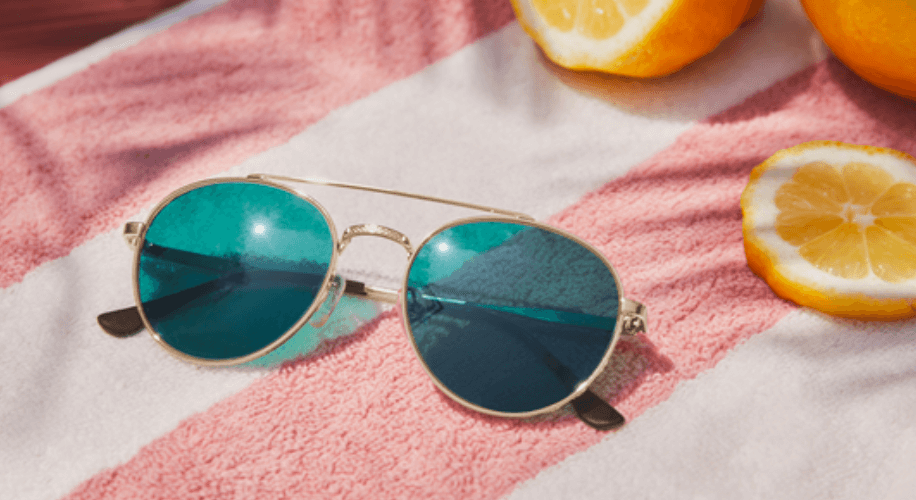
Gradient Tints: Sage – The color is darker at the top than at the bottom of the lens, offering a 70-80% sunglasses-level tint at the top. The gradient effect is visually appealing.

Fashion Tints: Light green – 10% sunglass level. A light tint for a trendy appearance.
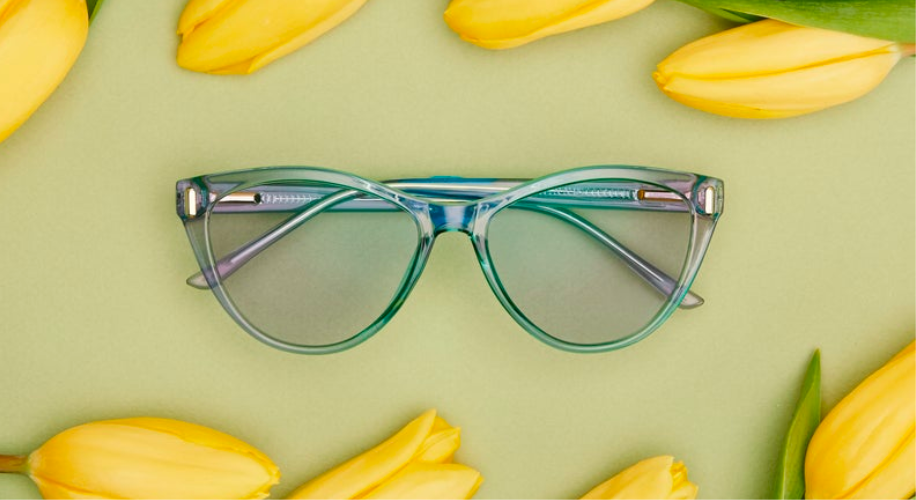
Classic Mirror Tints: Highly reflective, mirror-like surface on the outside that reduces glare by enhancing the lens’s reflection capability, keeping the images on the lens surface. Additionally, people looking at you can’t see your eyes. The inner surface has anti-reflective and anti-smudge features for effective glare prevention and easy cleaning.
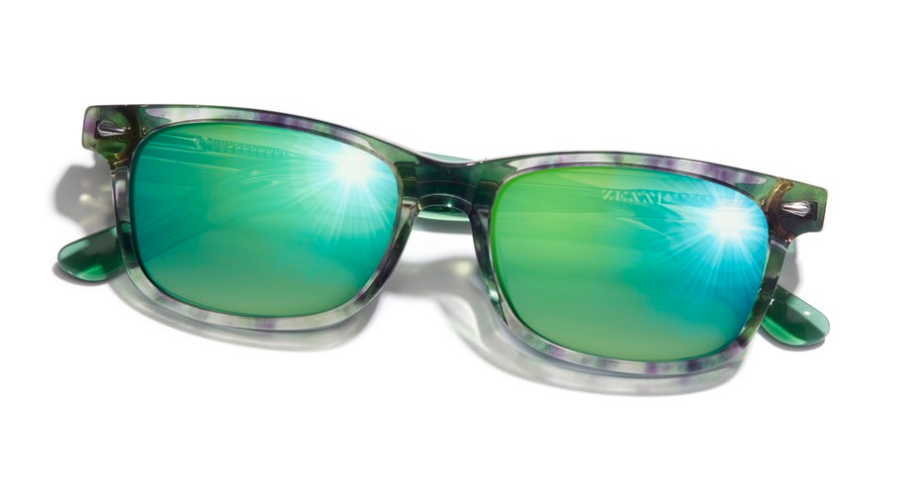
All of Zenni’s sunglass lenses, including every tint above, come standard with 100% UVA/UVB protection, so the level of tint you choose is purely a style and comfort preference.
We also offer various green frame options, including women’s and men’s green sunglasses, to cater to our customers’ love of the color. Green frames, paired with green lenses, offer a natural touch, protecting your eyes while making you more vibrant and prominent.
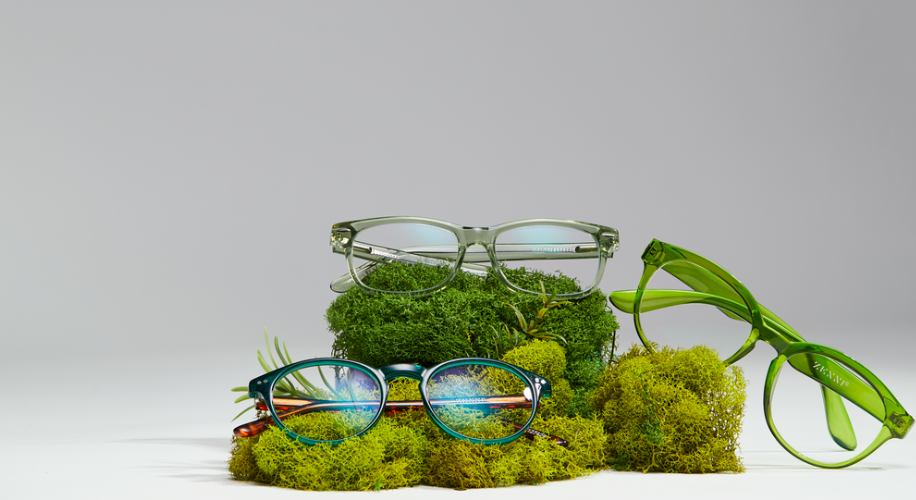
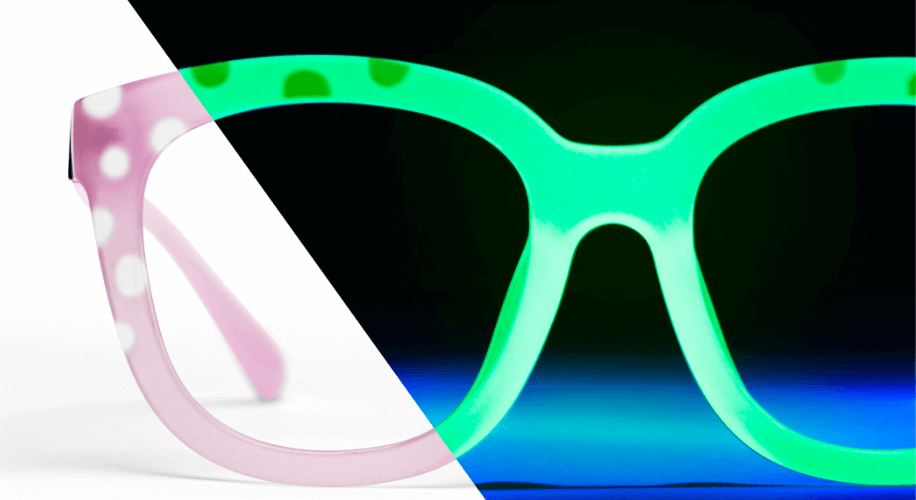
We also offer glow-in-the-dark fluorescent frames that create bright green effects in the dark, making you the center of attention at parties and providing safety warnings during nighttime activities.
An Eco-Friendly Pick
For shoppers who care about sustainability, Zenni’s eyewear filters let you shop specifically for bio-based and recycled-metal-and-bio-based frame materials, so you can pair the natural look of these frames with a lower-impact material if that matters to you.
In conclusion, the color green embodies numerous positive attributes: freshness, hope, safety, calmness, comfort, life, peace, serenity, nature, sustainability, growth, vitality, youthfulness, and relaxation. So, owning a pair of green glasses not only protects your eyes but can also enhance your mood. Shop Zenni sunglasses to find your next pair.

FAQs
When were green sunglasses invented?
Green-lensed sunglasses date back to the early 1930s, when Bausch & Lomb developed them for military pilots. The design was introduced to the public in 1937 under the new Ray-Ban name, and sources vary slightly on the exact early timeline, but the style is well over 80 years old.
Are green lenses better than gray or brown?
It depends on what you need. Green offers a natural, balanced view with good color accuracy, gray is excellent for blocking strong light without shifting colors, and brown or amber boosts contrast, which is why they’re often favored for golf and fishing.
What is a G-15 lens?
G-15 refers to the classic greenish-gray tint originally developed by Bausch & Lomb and popularized by Ray-Ban. Zenni offers its own G-15 Green polarized lens with true-to-life color and glare protection at a much lower price than designer originals.
Do green lenses block UV rays?
Yes. Every sunglasses lens at Zenni, regardless of tint color, includes the standard 100% UVA/UVB protection, so a green tint provides the same UV protection as any other color.
Are green sunglasses good for driving or sports?
Green lenses are a solid all-around choice for driving and everyday wear, thanks to their balanced contrast, and they work well for precision sports like tennis. Brown or amber lenses are generally the better pick if golf or fishing is your main use case.
Does Zenni offer eco-friendly green frames?
Yes. You can filter Zenni’s sunglasses and green glasses collections by bio-based or recycled-metal-and-bio-based materials to shop a more sustainable option.




 Canada